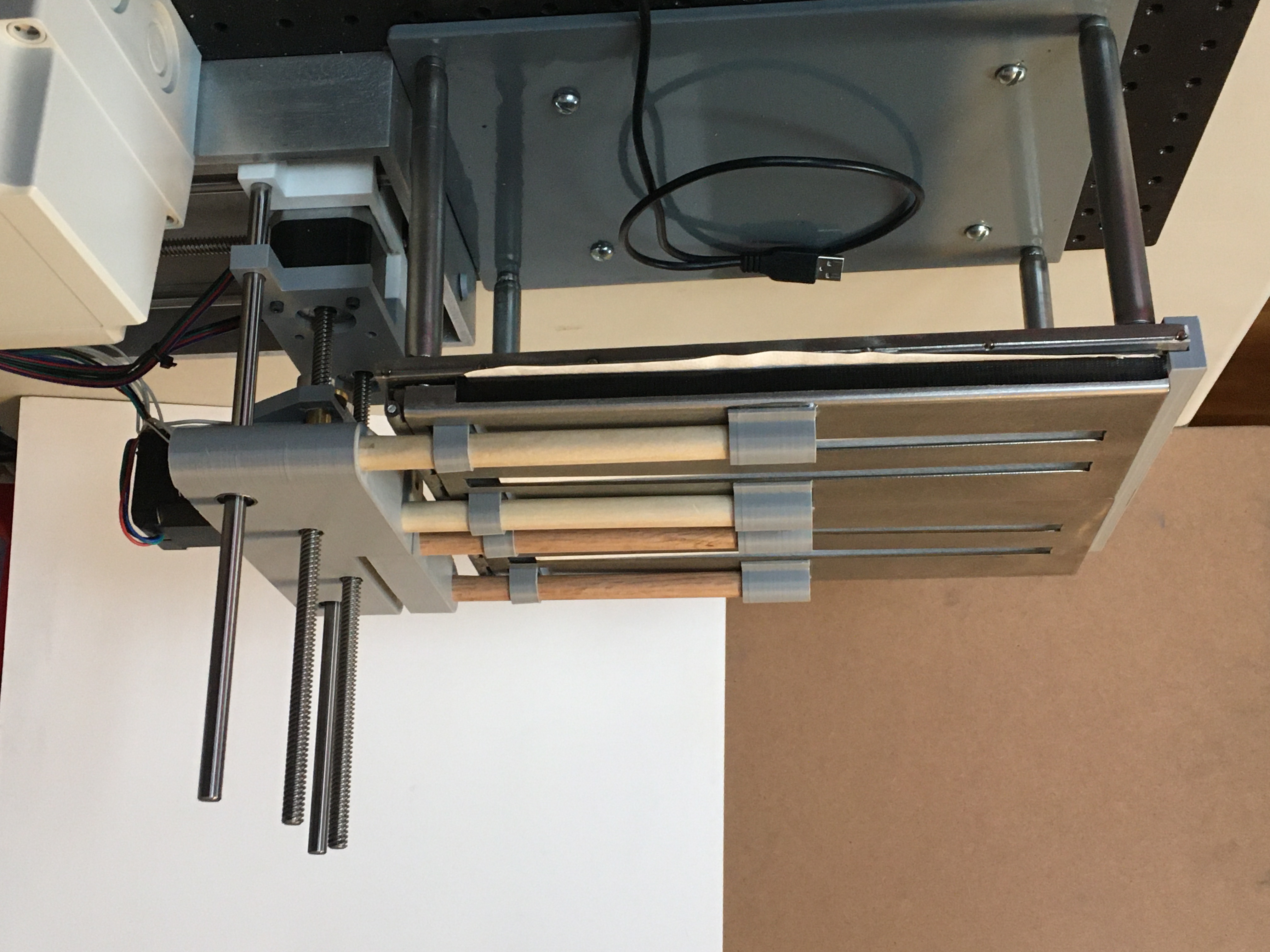
For my senior project at WPI I was able to work with MilliporeSigma. I worked with a team of two other students to design and prototype a new method of automation for one of Millipore's high speed assembly lines. The current process involves manual manipulation of a delicate and difficult control membrane. Operators perform a series of steps with the membrane before it is passed on to the final heat sealing process.

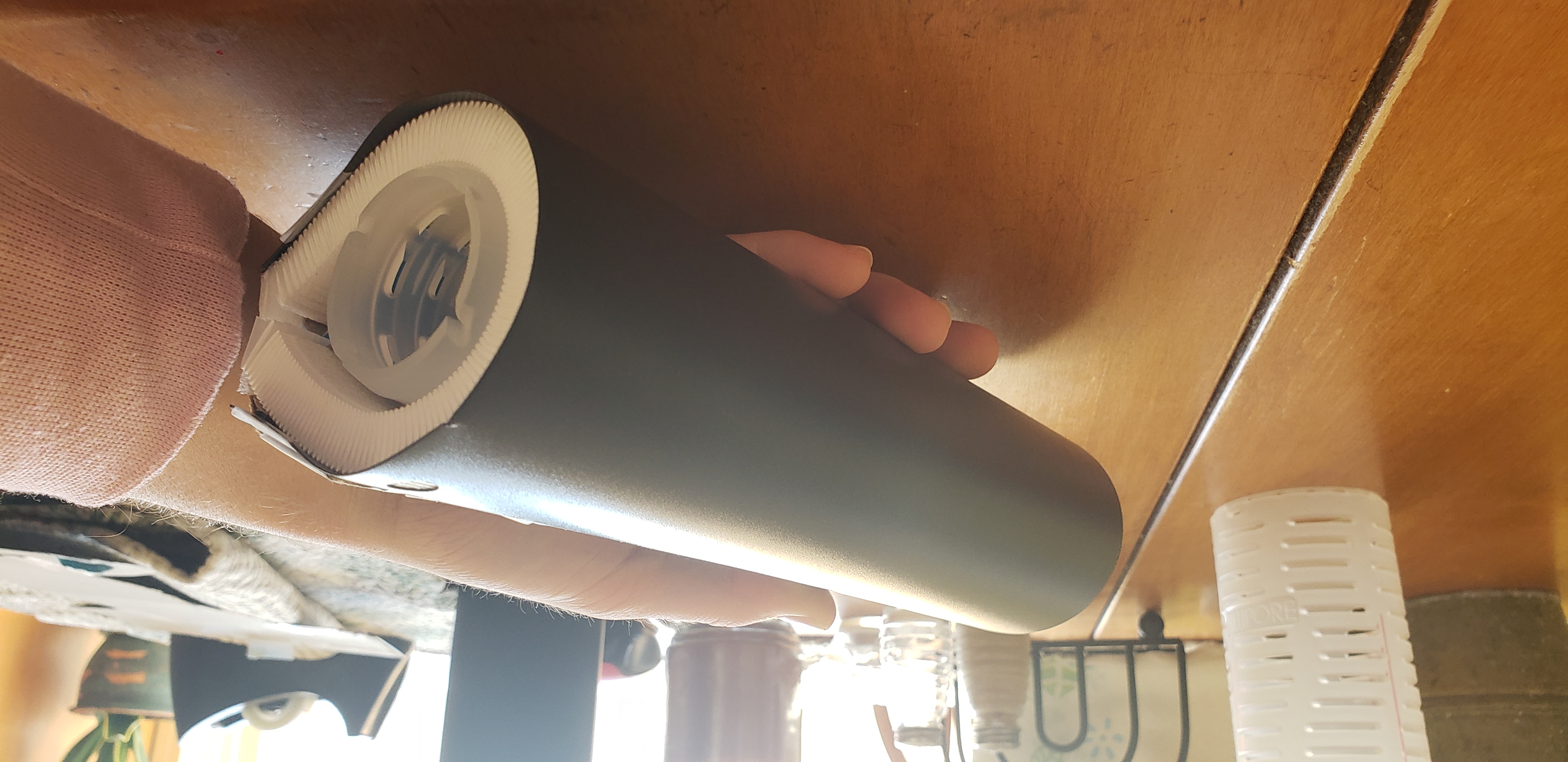
Our team was able to visit the Millipore manufacturing lines several times. We were able to see the assembly process to get a better idea of what would be changed. After seeing the current process, we developed two methods for how we could automatically manipulate the packet. Throughout the process we had close contact with some of the Millipore engineers that were directly involved in the process.
To determine a final design, our team utilized FMEA and SWOT analysis. Pros and cons were gathered for each of our methods. After analysis, we proposed a solution involving a tray that completely encompasses the pleated membrane packet. It was important for us to have complete control of the packet throughout the process because of the unpredictability of the membrane. The tray we developed had a central hinge to hold onto the packet while several steps were performed.
We performed mechanical vibration testing to finalize the design.
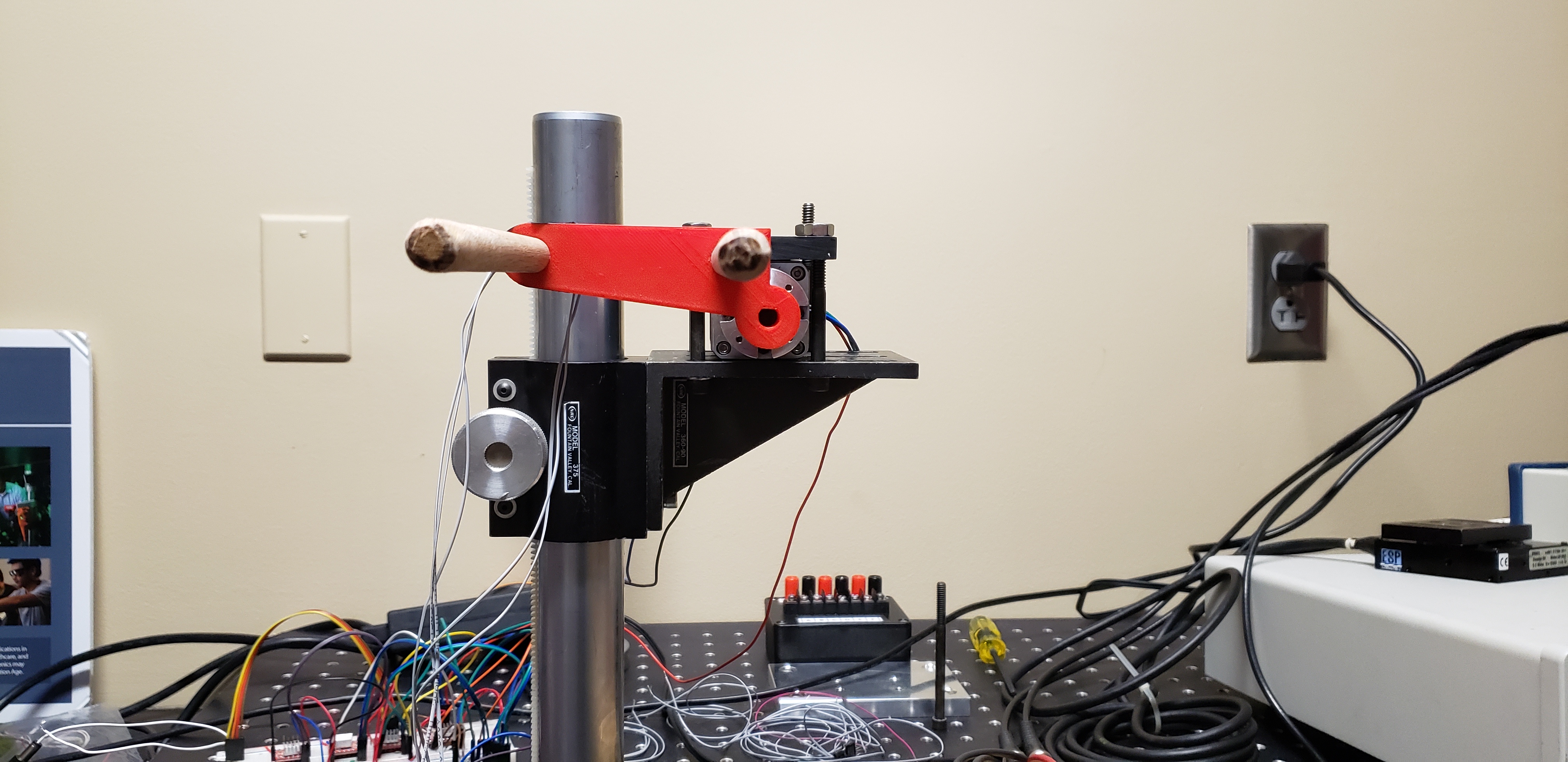
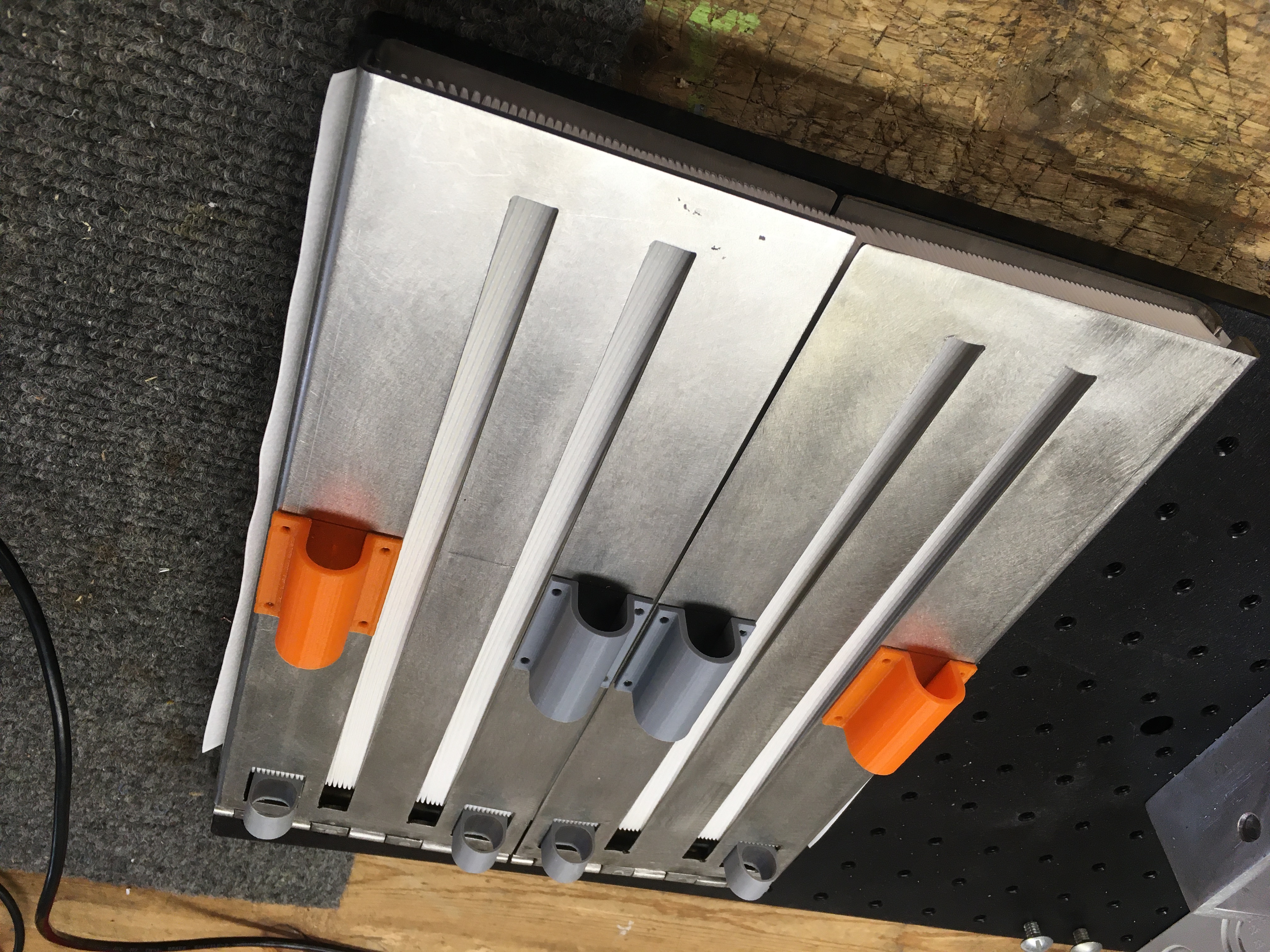
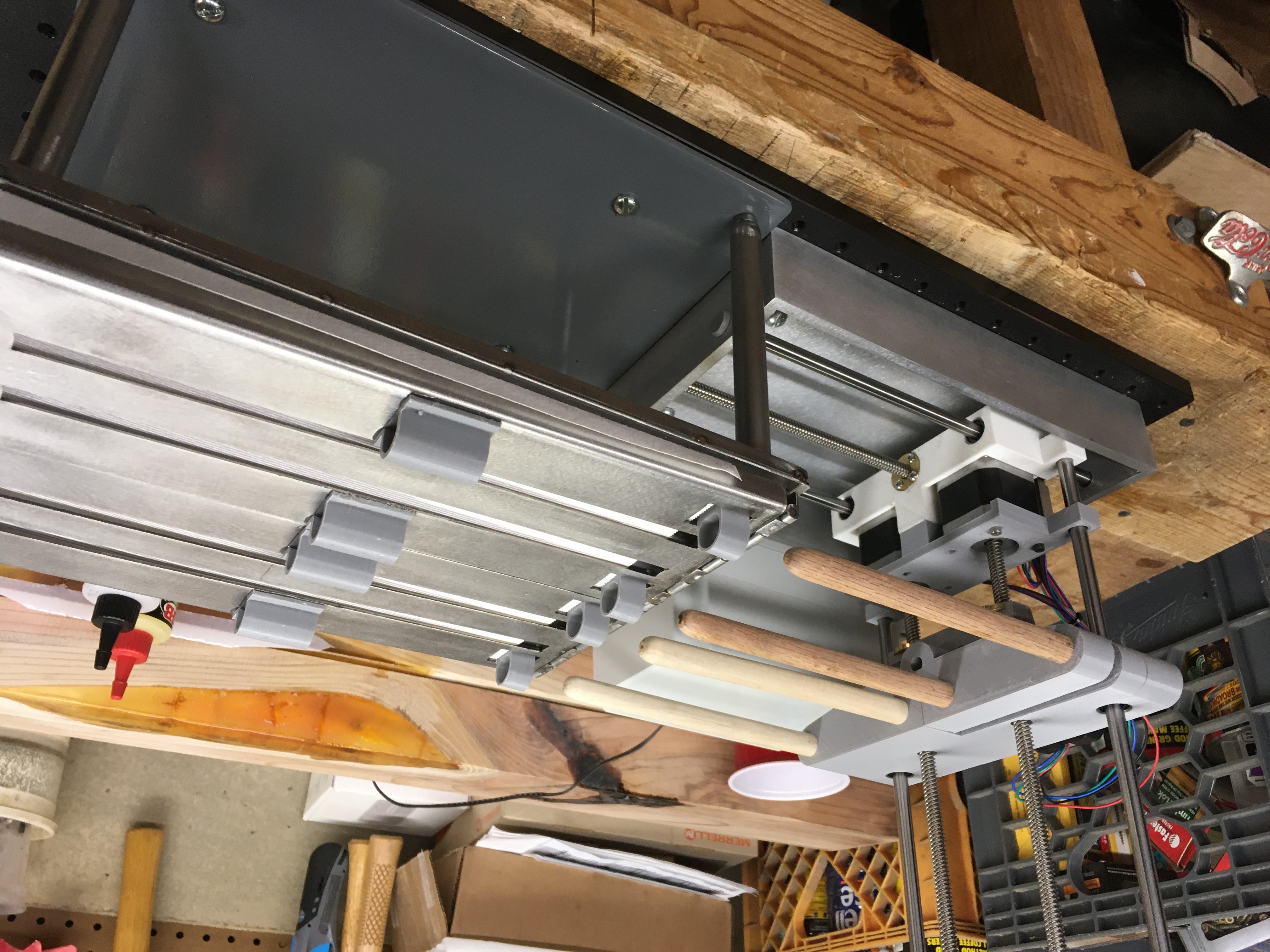
Once we had a final design, we began to create a prototype of our ideas. The prototype was developed in several parts. First, a tray was made to store the membrane throughout the process. The tray had to be able to grab the membrane and then release it at the end of the process. Most importantly, it needed to fold the packet in half while containing membrane in one place. This tray was manufactured out of metal by a company in Worcester. Next, an arm was created in order to manipulate the membrane. This arm would grab the tray of membrane and fold it in half so that it could bring the edges of the membrane together. This was made using 3D printed parts, manufactured aluminum, and electronics. An Arduino was used to program the prototype.
In the middle of the project, the WPI campus shut down for COVID. We did our best to continue development of the prototype while not being able to work together in person. At the end of the project, we presented our work to the engineering team at MilliporeSigma. We were able to explain all of the ideas that we had developed during the year and the work that we had done.
Now I am working full time at Milliporesigma as a process engineer.